


Aquila Autonomous Intelligence
Your Enterprise Data Observability Agent


Problem
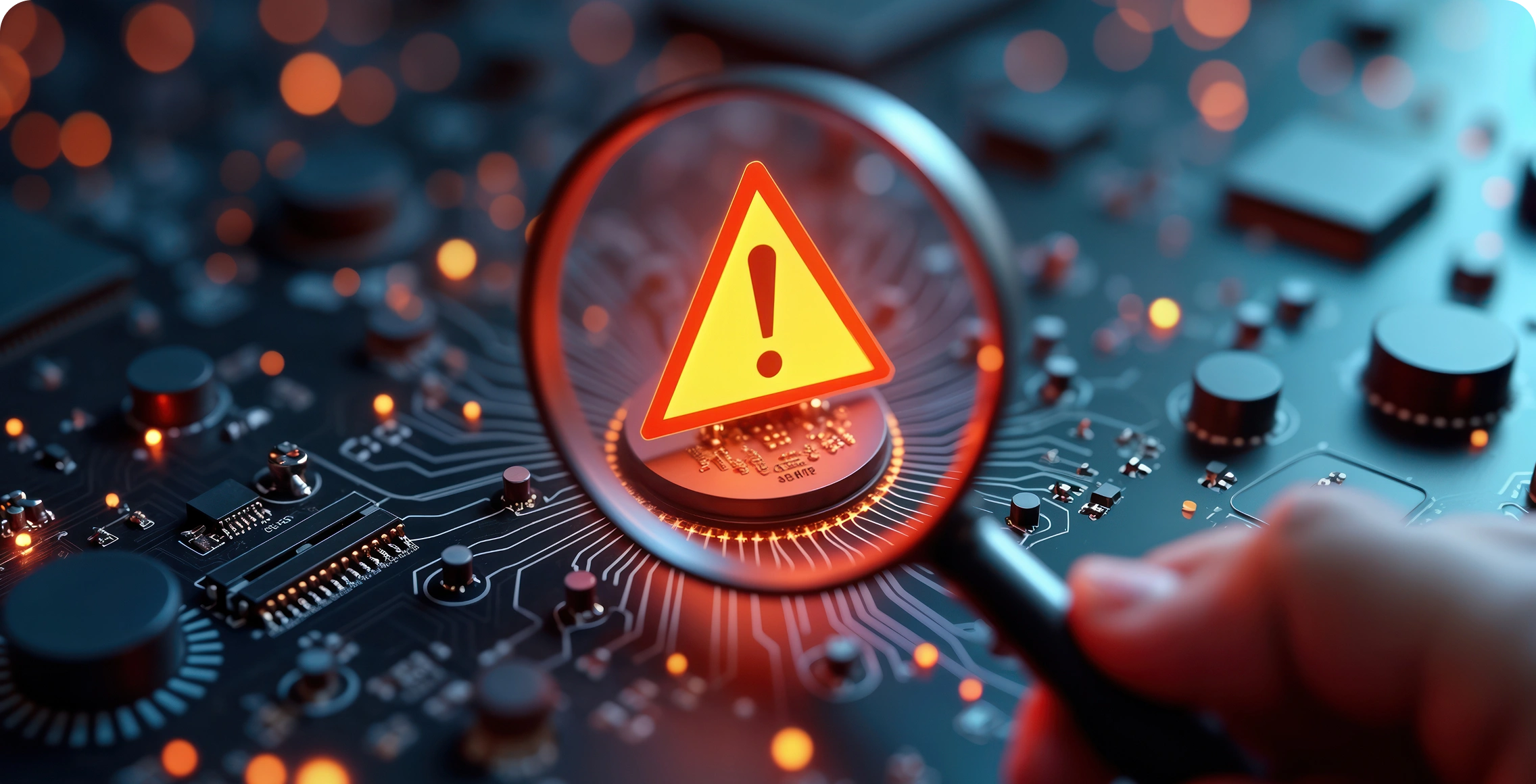
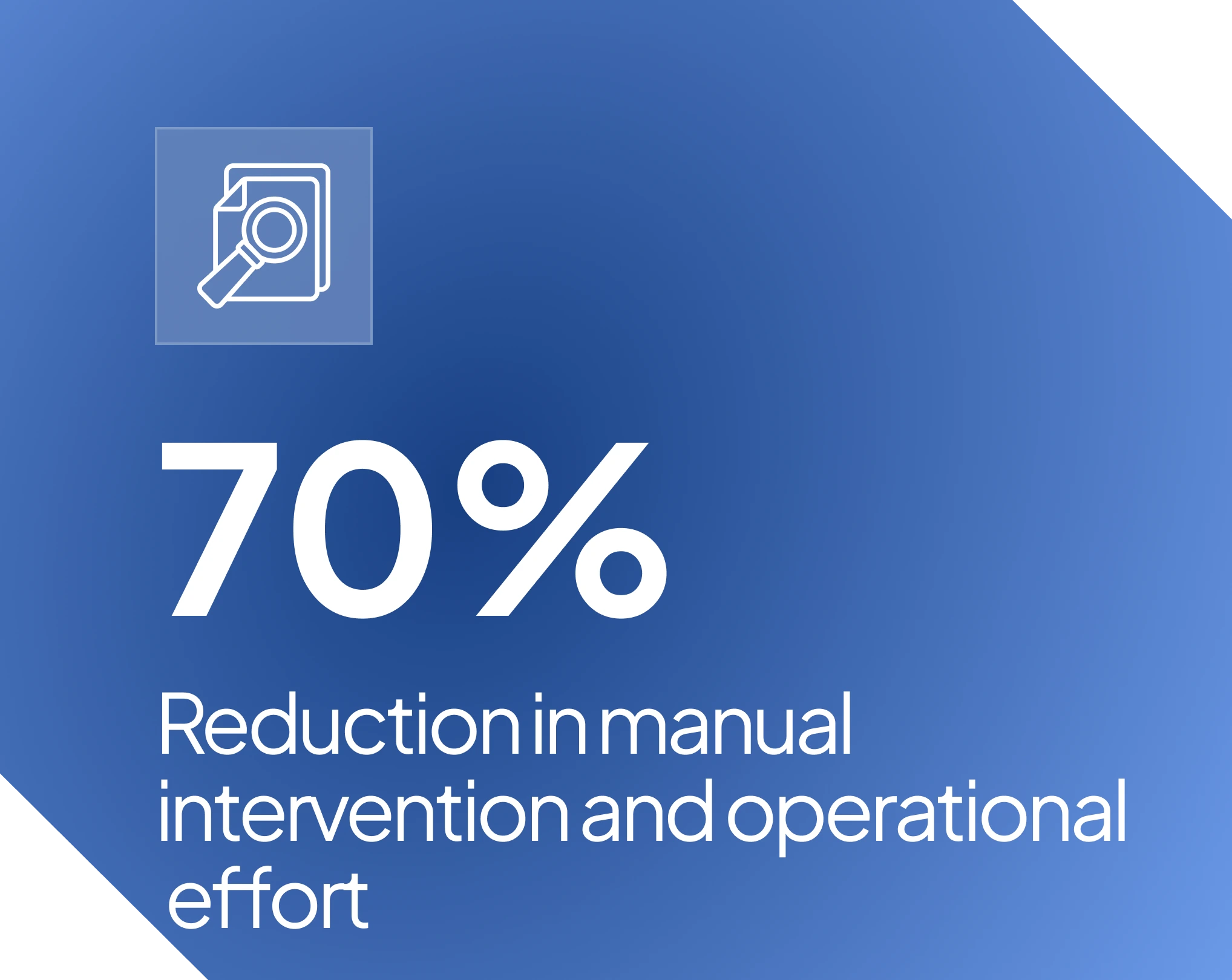
Alerts trigger manual investigations that take hours, followed by root cause analysis that can take days. Remediation is inconsistent across teams with limited context and no standardized approach, leading to alert fatigue, missed issues, and continuous firefighting instead of proactive resolution.

Purpose
Features
Auto Remediation
Detect and fix issues with configurable workflows.

Root Cause AI
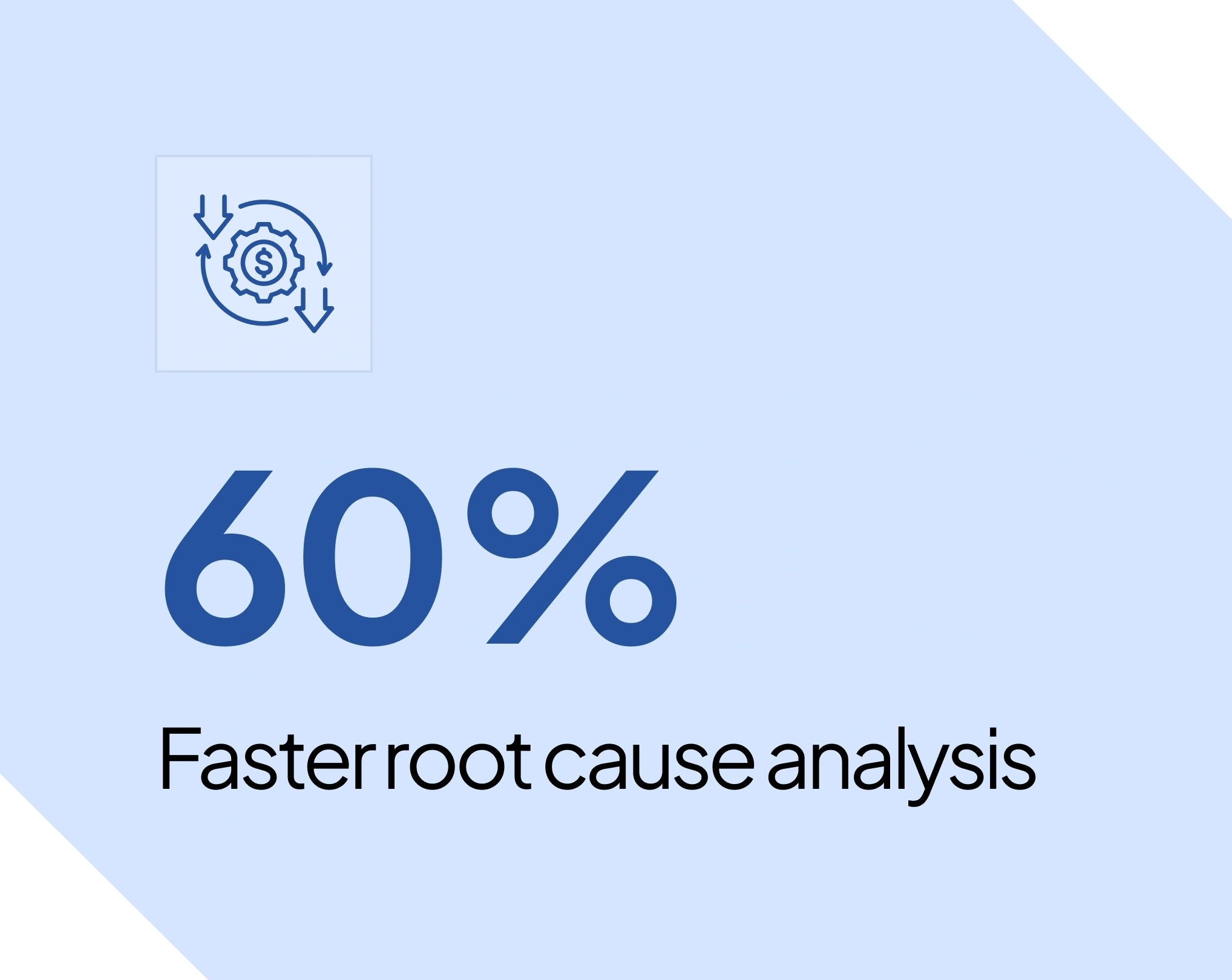
Diagnose issues in seconds across data signals.

Predictive Prevention
Anticipate failures using patterns and trends.

Continuous Learning
Improve over time with retained knowledge.

Agentic Resolution
AI agents trigger, investigate, and resolve issues end-to-end.
Before vs. After
BEFORE
Manual & Reactive
Alert
triggeredHuman investigates
hoursRoot cause analysis
daysManual fix
inconsistentAlert fatigue
Missed issues
AFTER
Aquila — Autonomous & Proactive
Alert
triggeredAI Agent diagnoses
secondsFix proposed
minutesAuto-remediated
Predictive prevention
Continuous learning
Impact
How Aquila Works?
Use Cases

The Challenge
A nightly ETL pipeline fails at 2 AM due to unexpected null values in a critical column. The on-call engineer is paged and spends 3 hours diagnosing the issue and applying a fix.
This same failure pattern repeats every week, causing operational fatigue and recurring disruptions

Solution:
With Aquila in Eagle Eye IQ, pipeline failures are automatically analyzed using historical execution patterns and pipeline metadata.
Aquila can:
• Detect recurring failure patterns
• Identify the root cause (e.g., upstream null values)
• Suggest remediation steps such as null handling logic or upstream validation checks
•Automatically deploy fixes with approval workflows and governance controls

• MTTR Reduced From 3 Hours To 4 Minutes
• Recurring Pipeline Failures Are Permanently Resolved Through Predictive Prevention
• Engineering Teams Spend Less Time Firefighting And More Time Building New Capabilities